Huawei says its blood-sugar technology is nearing production, with patent work showing how a future smartwatch could measure glucose without a separate CGM.
It’s International Coffee Day today, October 1, and I’ve written that phrase so many times already this morning that I’m glad it’s acceptable to be on my third cuppa already — in celebration, of course.
In fact, our exclusive coupon code can be used to any Breville appliance, not just espresso machines either — it will work site wide!
Just head to our dedicated Breville coupon code page, click on the very first green Get Code button and copy the unique one that’s generated just for you. Head to the Breville website, shop what you’d like, then use the code at checkout.
It’s all about the coffee today though, and to help with any purchasing dilemmas you might have, I’ve picked out a few of my favourite Breville espresso machines that get the TechRadar seal of approval.
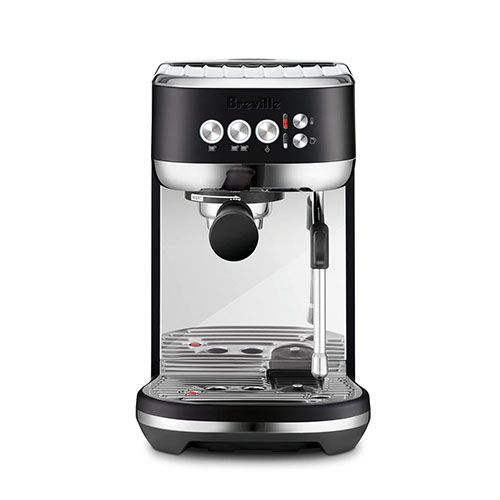
The Breville Bambino Plus is incredibly simple to use, and can take care of most of the coffee making process for you. Grind some beans into the porta filter, insert it into the group head and use the one-touch controls to brew. It also has a hands-free milk texturing system for expertly frothed milk, while ThermoJet technology means the machine is ready to use in seconds. There’s very little you need to do other than simply enjoy the results.View Deal
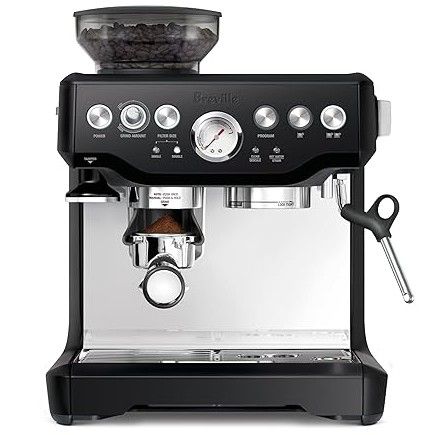
The Barista Express is about as iconic as they come. It has everything one needs for cafe-quality coffee at home, including built-in grinding, dosage control and a hand tamp. You can also customise the water volume and temperature for the perfect espresso. Available in various colours, the three different shades of black work out to be the most affordable once our coupon code is applied. View Deal
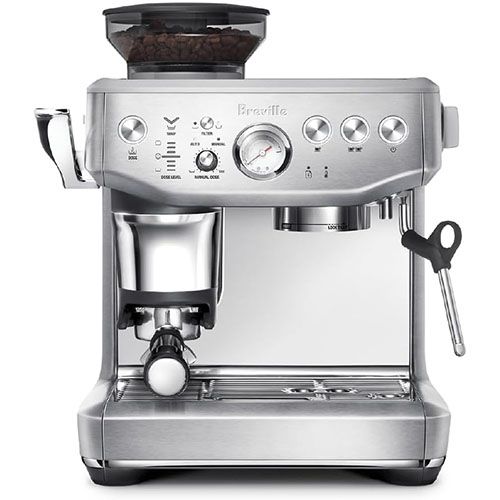
Barista Express Impress (BES876): was $869 now $719.10 The Barista Express Impress takes everything that’s great with the Express, and adds Breville’s Impress tamping lever to ensure you apply the same tamping force to your ground beans each time. It also benefits from smart dosing, which will automatically correct the grind size if the machine detects the previous espresso was under- or over-extracted.View Deal
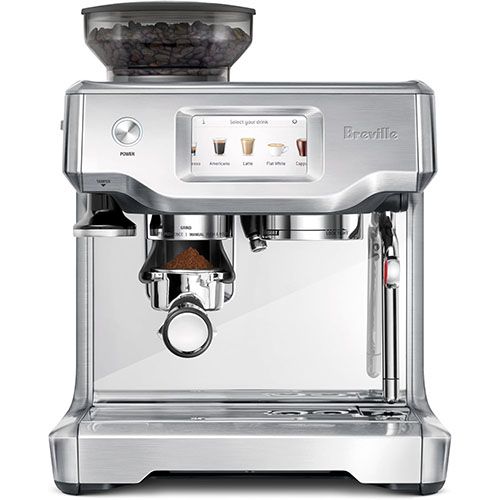
The Barista Touch is another fine choice for coffee aficionados. It includes a compact integrated grinder, tamping functionality, auto-dosing, and auto milk frothing, along with Thermo Jet technology for quick heat-up times. Its user-friendly interface means anyone can operate it via the touchscreen too. View Deal
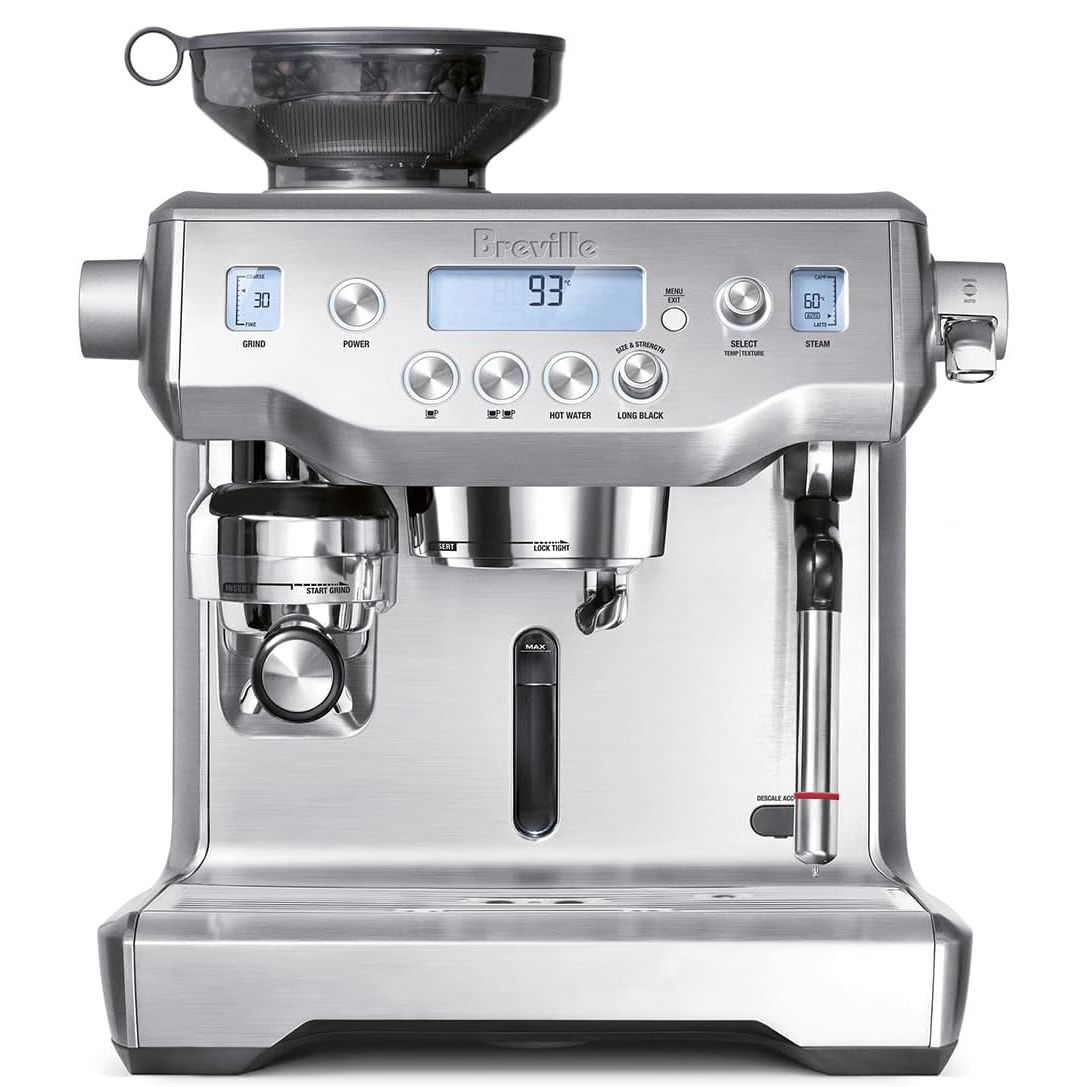
The Oracle is one of Breville’s older machines, but it still more than holds its own against newer alternatives. It boasts automatic grinding, dosing, tamping and milk texturing, while its dual boiler means you can extract espresso and foam milk at the same time. View Deal
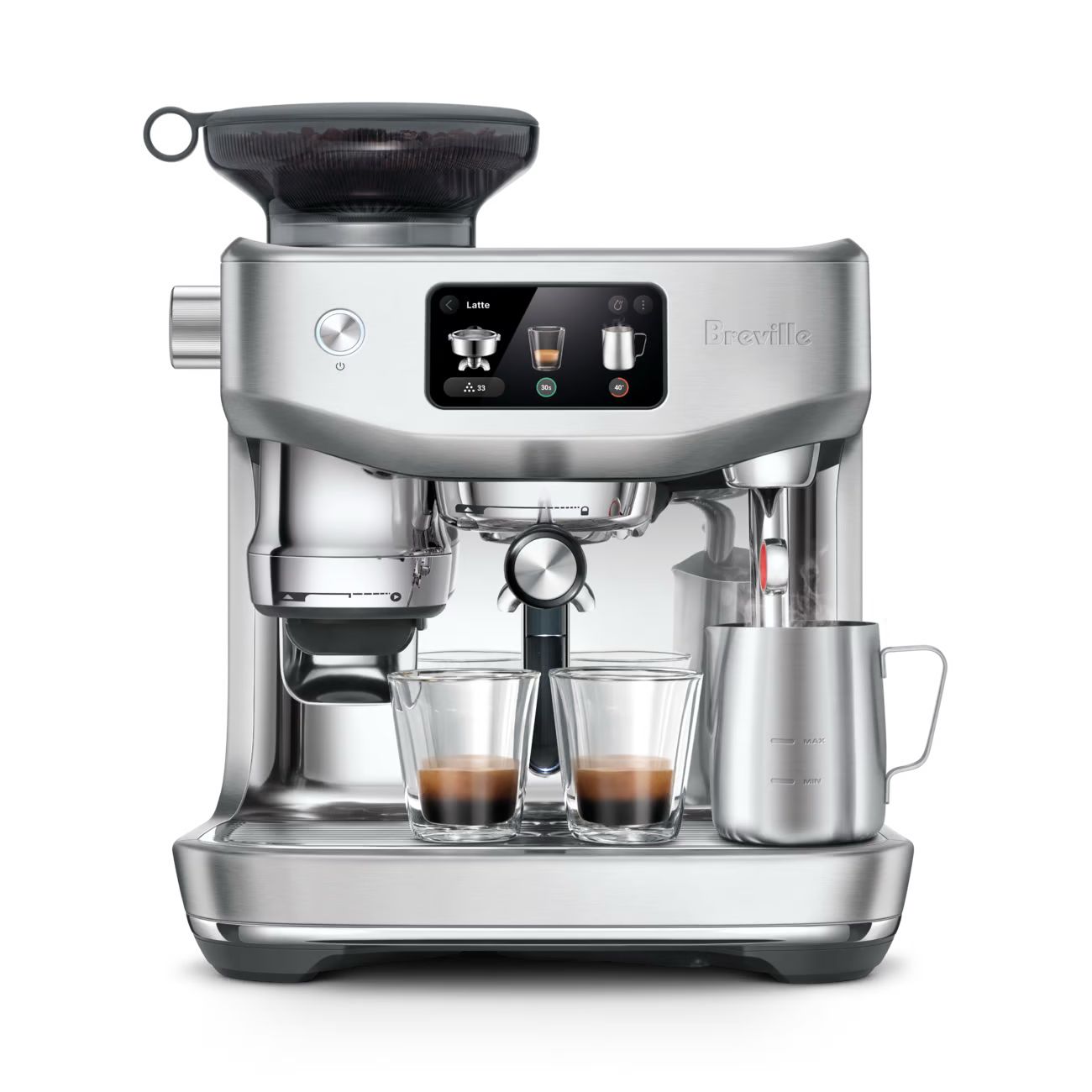
The Oracle Jet is perhaps all the coffee machine anyone could need. Its front panel is dominated by a large colour touchscreen, making it easy to select and see whatever drink you want. It will grind and tamp for you (and give intelligent feedback), and can steam milk (including non-dairy) automatically too. Plus, it heats up and is ready to use in seconds. It’s not cheap, but you’ll hold onto it for years to come.View Deal
Vivo’s latest foldable just hit the global market, after first appearing in China in June. I’ll rip the band-aid off early: the X Fold 6 won’t be launching in the UK or US, but it will be available in select European markets (as per usual).
The Vivo X Fold 6 is launching at a very interesting time. Apple’s first-ever foldable, the iPhone Duo, is just about to land, and Samsung shook things up with its passport-sized Galaxy Z Fold 8 earlier this year, too. Vivo keeps things a little more traditional; the X Fold 6 is the normal book-style fold that Android users are accustomed to. And to keep it appealing, Vivo has maxed out the specs in every department.
Choosing a foldable over a bar phone has always come with compromises, whether that be size and weight, battery capacity, or camera performance. Vivo has been working to eliminate every single one of these limitations, and it’s getting really close. I’ve been using the X Fold 6 as my main device for the past week to see if it lives up to the hype.
The polar opposite of the iPhone Duo
(Image credit: Future)
At the moment, it feels like all eyes are on Apple, as the official launch of the Duo draws closer. I get the impression Vivo is more interested in one-upping the likes of the Honor Magic V6 and Galaxy Z Fold 8 Ultra, but the launch timing means that many will be weighing up the difference between it and Apple’s first attempt at the foldable form factor. It’s an interesting comparison, because the two devices couldn’t be more different.
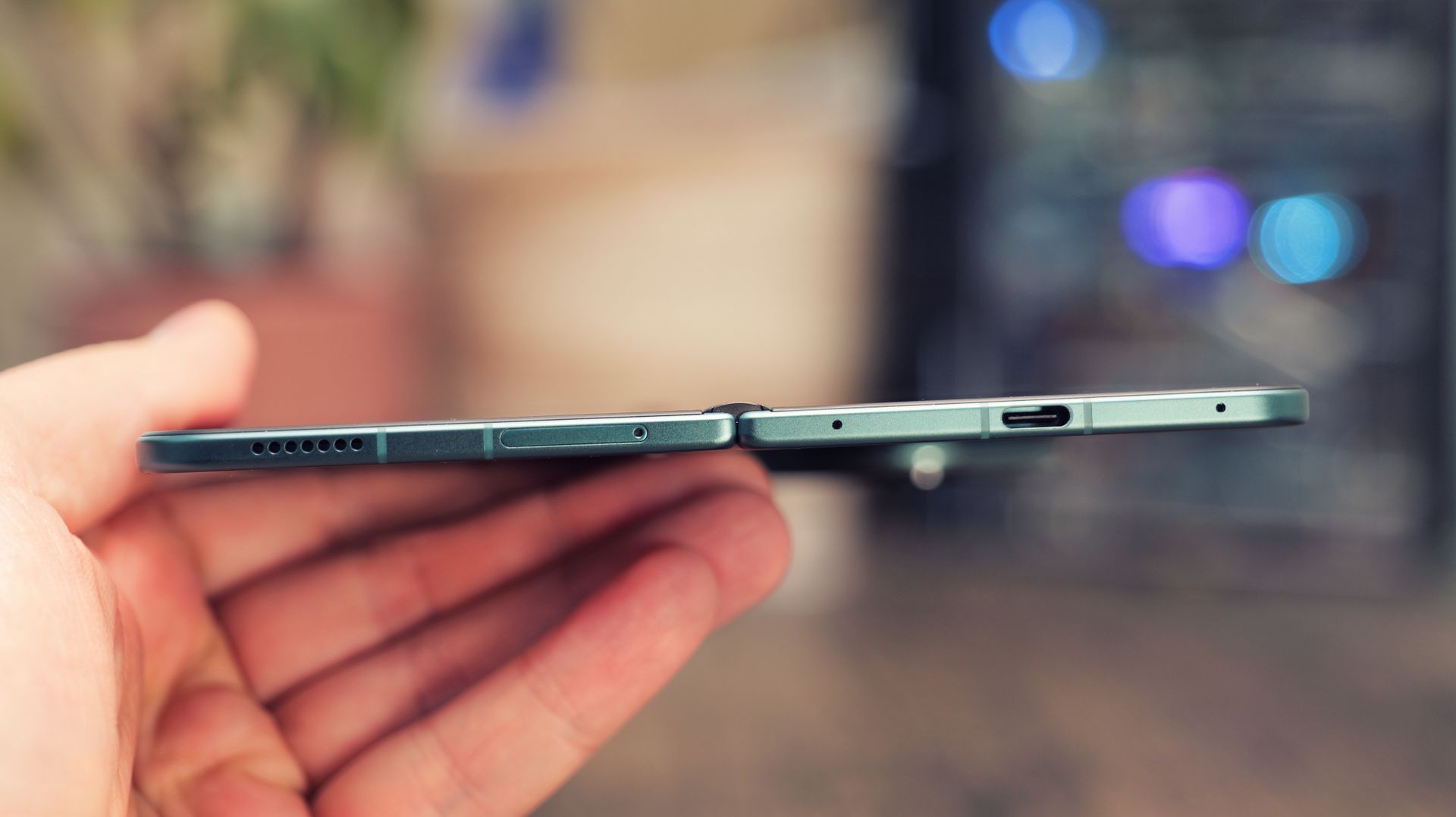
The X Fold 6 looks and feels like a Pro Max-sized flagship when folded shut. The cover screen isn’t narrow like the Z Fold 8 Ultra’s, nor is it shorter like the Duo. It’s meant to feel like a regular phone that can unfold into a spacious tablet when you need it, and it succeeds at doing so.
(Image credit: Future)
It almost feels like this form factor is going out of style, and I think that’s a real shame. The utility is plain to see; apps are all perfectly designed for the cover screen, and when you open it, you can have two apps side by side in their intended aspect ratio. I loved using the Z Fold 8, but I ran into software optimization hiccups on many occasions.
The X Fold 6 is a fairly big and heavy phone, especially compared to the slender Galaxy Z Fold 8 Ultra, but somehow, it’s still lighter than the iPhone Duo. The Vivo tips the scales at 235g, while the smaller iPhone Duo weighs 254g. That chunky camera bump on the Vivo is sure to be divisive, though.
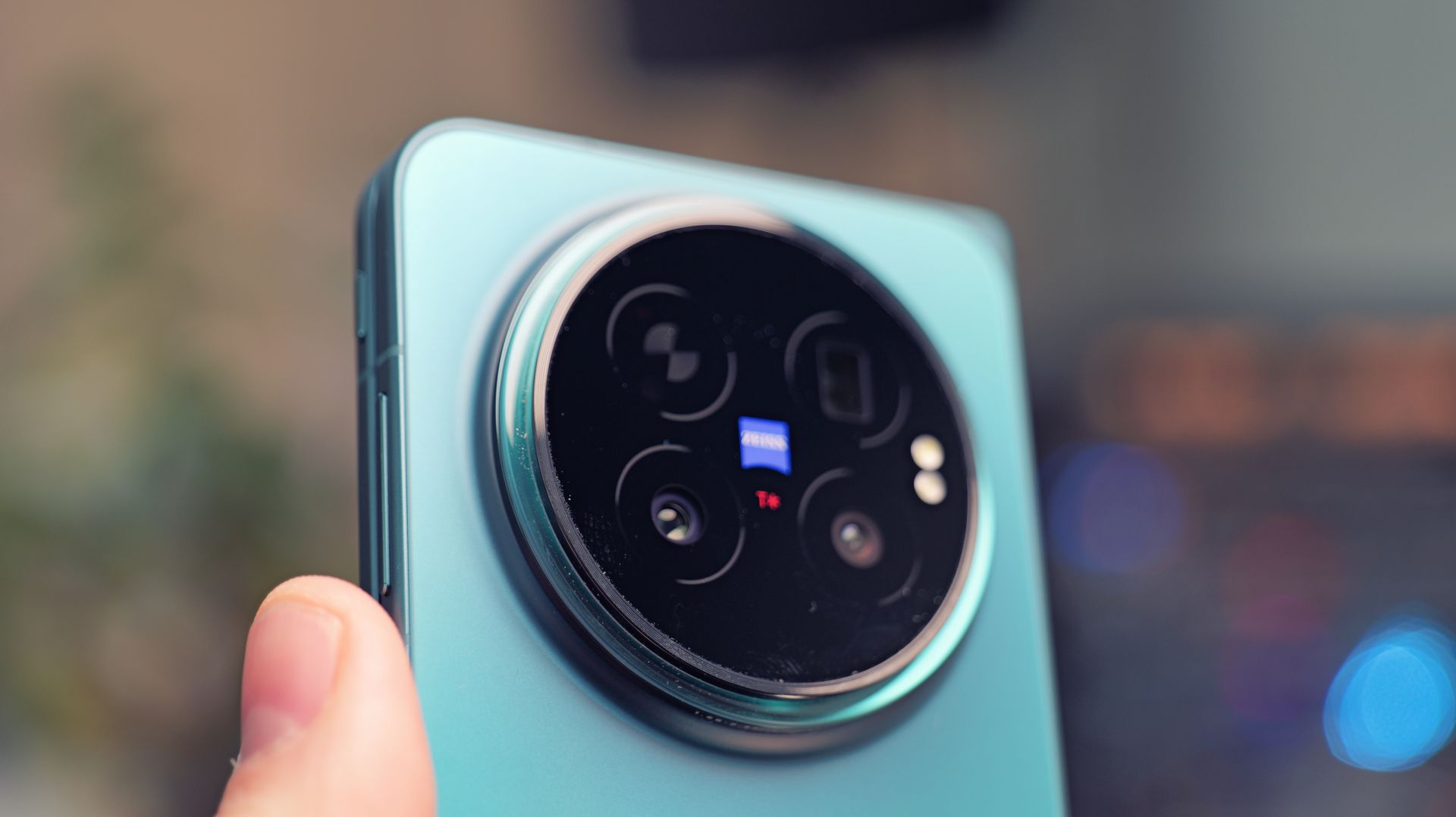
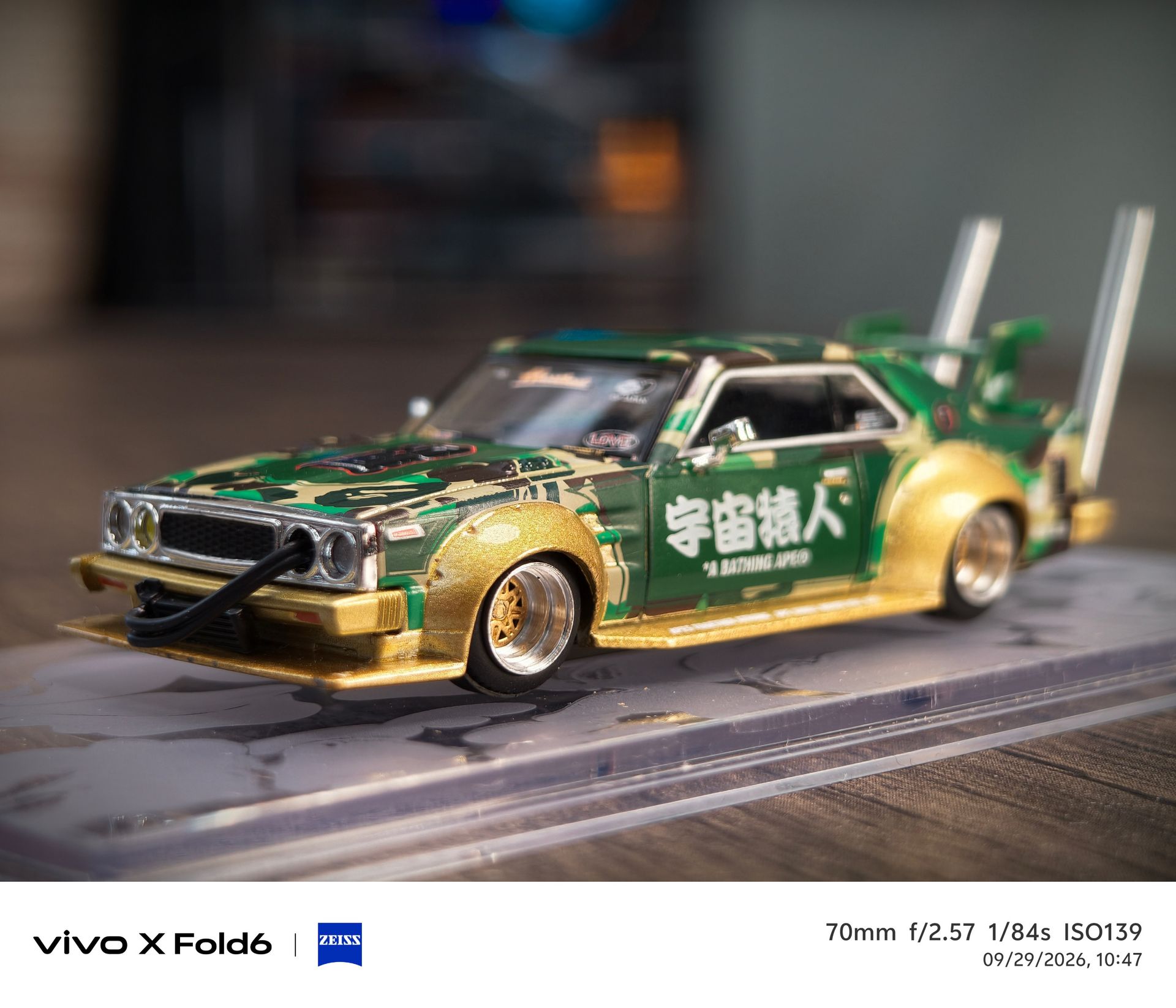
On the other hand, the camera bump is there for a good reason. While the Duo forgoes a telephoto camera entirely, the X Fold 6 has the most impressive telephoto I’ve ever seen on a foldable. Plus, if you really want to take things to the next level, it supports the same external teleconverter lens as the X300 Ultra.
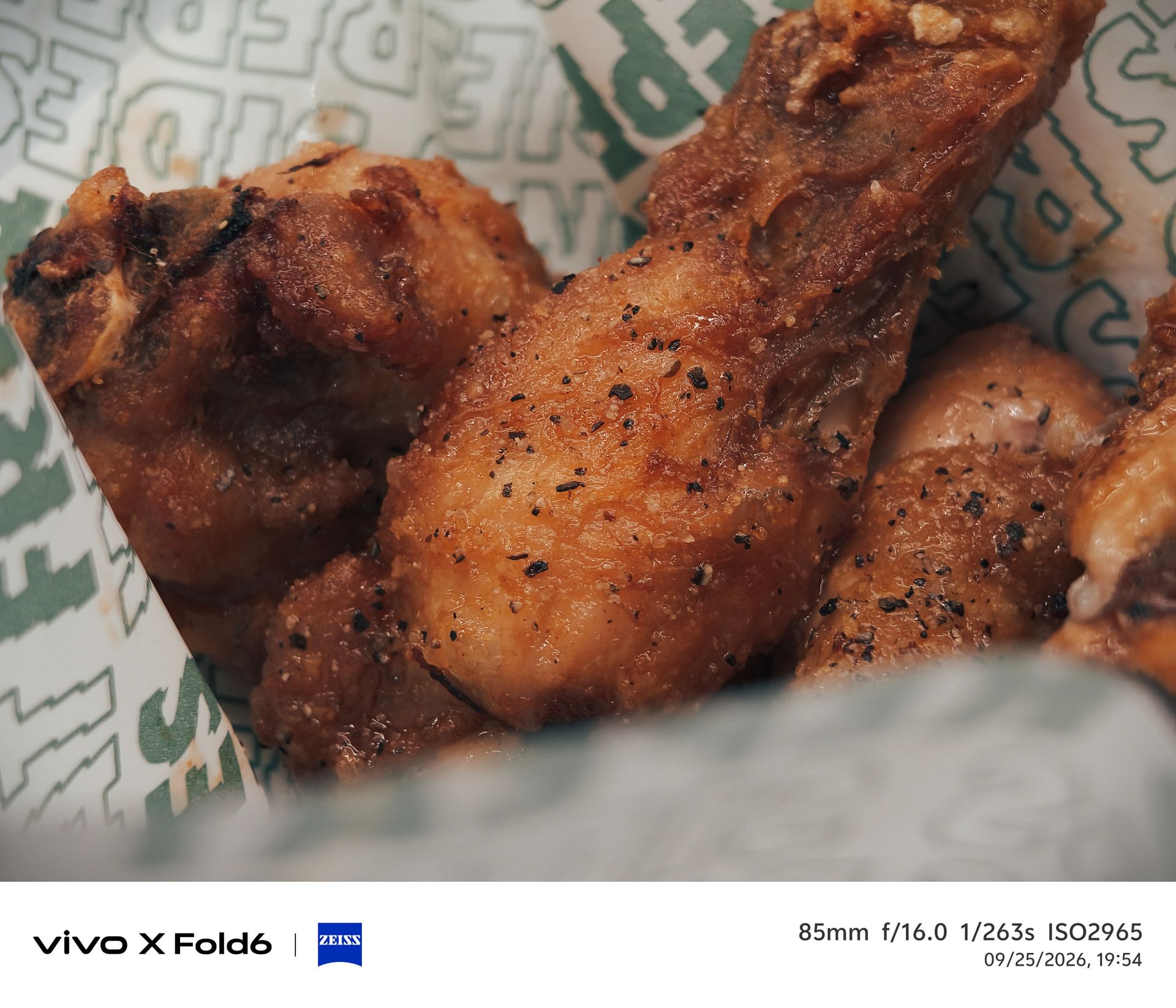
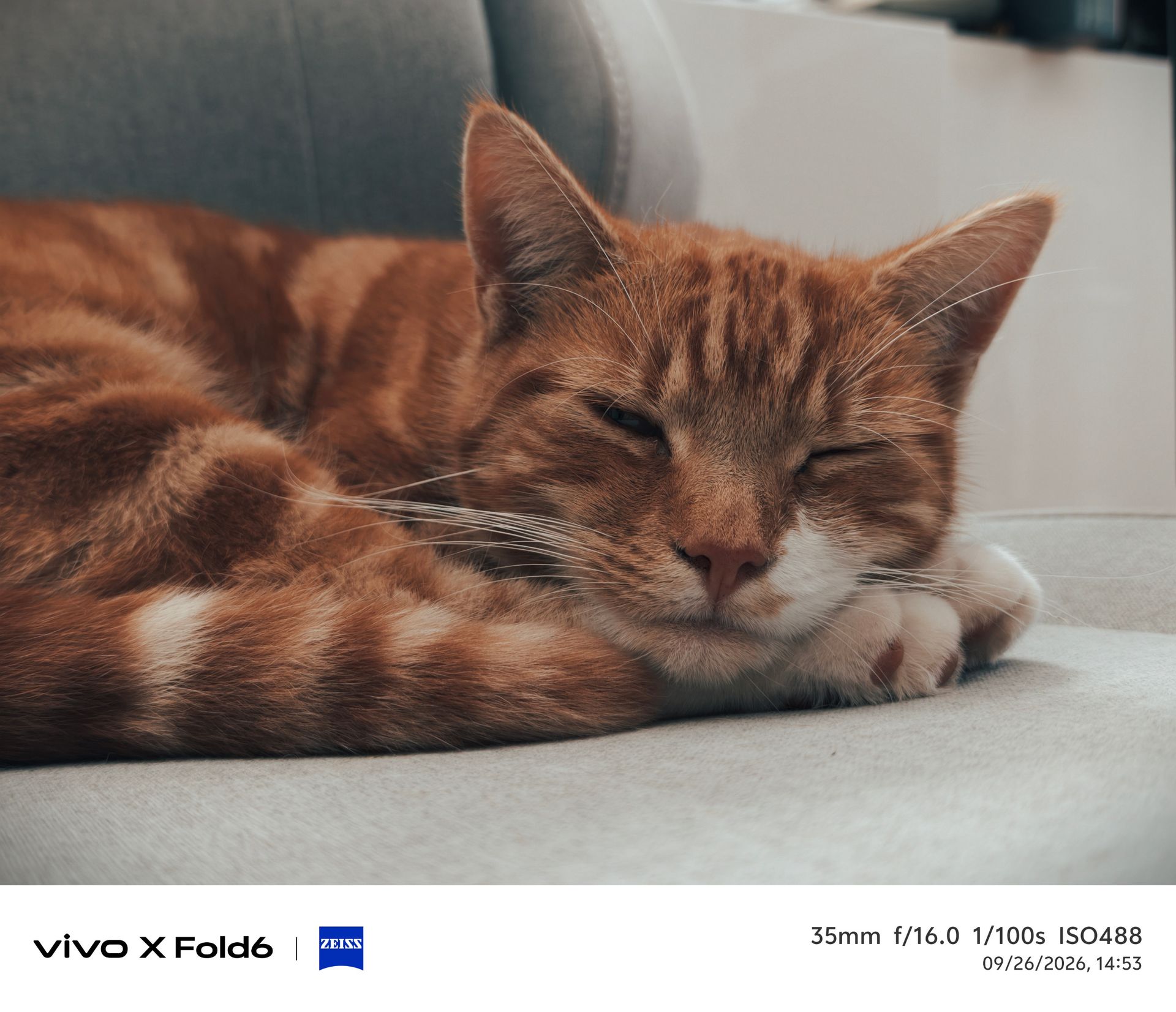
And the camera prowess doesn’t stop there. The X Fold 6 has a 200MP main camera with a large 1/1.4-inch sensor, and a 50MP ultra-wide to boot. It also benefits from Vivo’s Zeiss partnership, with the signature T* lens coatings and co-developed picture styles in tow.
I’ve tested almost every foldable phone in 2026, and so far, I reckon Vivo’s photos and videos are probably the best. Sadly, I haven’t tried the Duo yet, but I do own the iPhone 18 Pro, and in most situations, I prefer the results I’m getting from this foldable phone. That’s quite the achievement, and without a telephoto, I don’t see Apple competing.
(Image credit: Future)
Vivo is also light-years ahead of the competition with its battery tech. Somehow, there’s a 6,900mAh battery crammed into the X Fold 6, and I’ve been getting two days on a charge quite consistently. That’s with heavy use, spending lots of time with the large folding screen and taking loads of photos.
Apple hasn’t revealed the iPhone Duo’s battery capacity (it never does), but what it did say at the phone’s launch was revealing enough. Users can expect up to 24 hours of typical use. That’s not even close to what the Vivo is offering here.
The same goes for the charging speeds; the X Fold 6 supports up to 80W with a wire and 40W wirelessly. Again, Apple hasn’t confirmed the wired speed, but we already know enough. The brand says you can expect up to a 50% charge in 20 minutes; meanwhile, the Vivo can fully charge from flat in about 35 minutes.
(Image credit: Future)
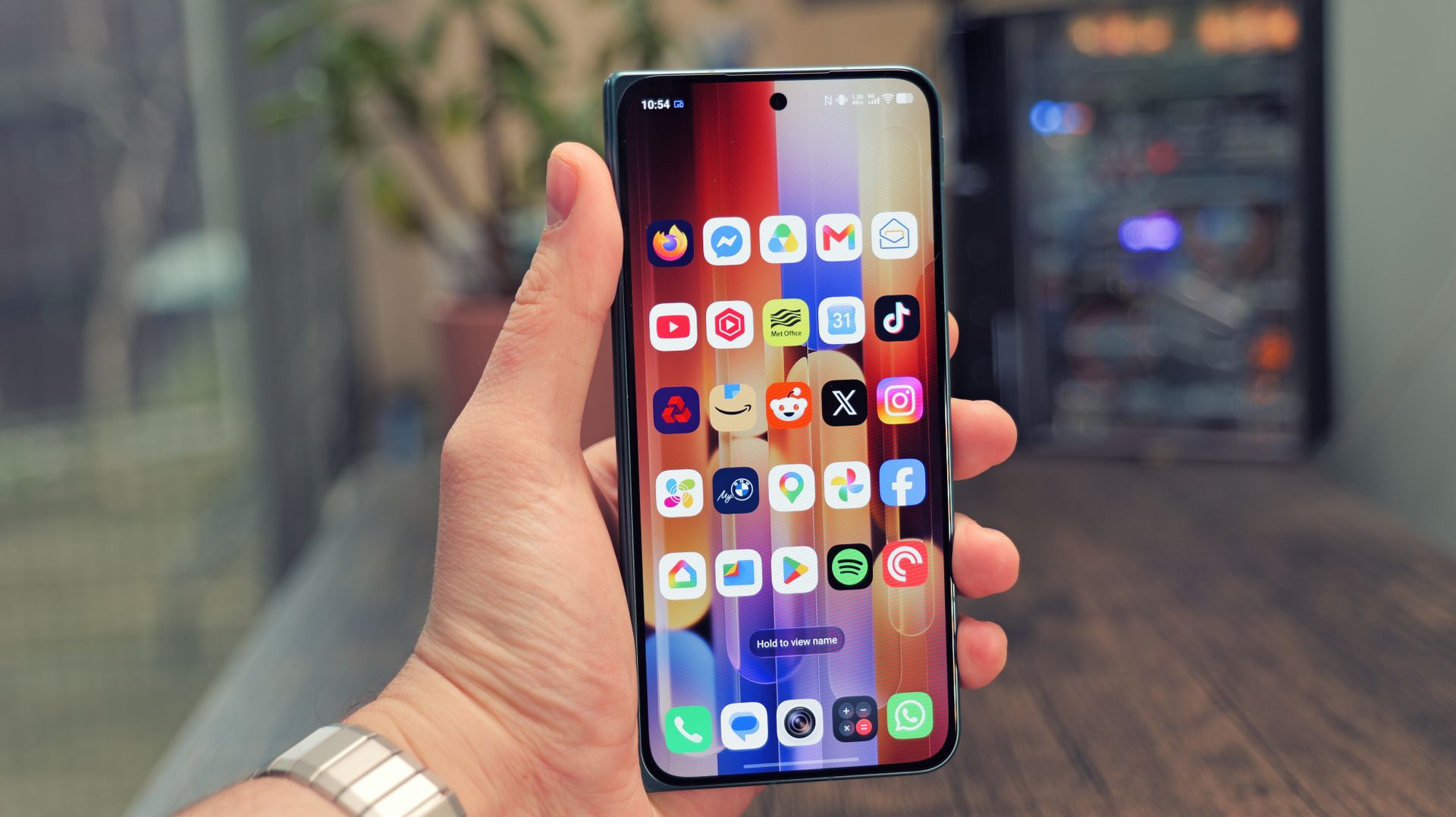
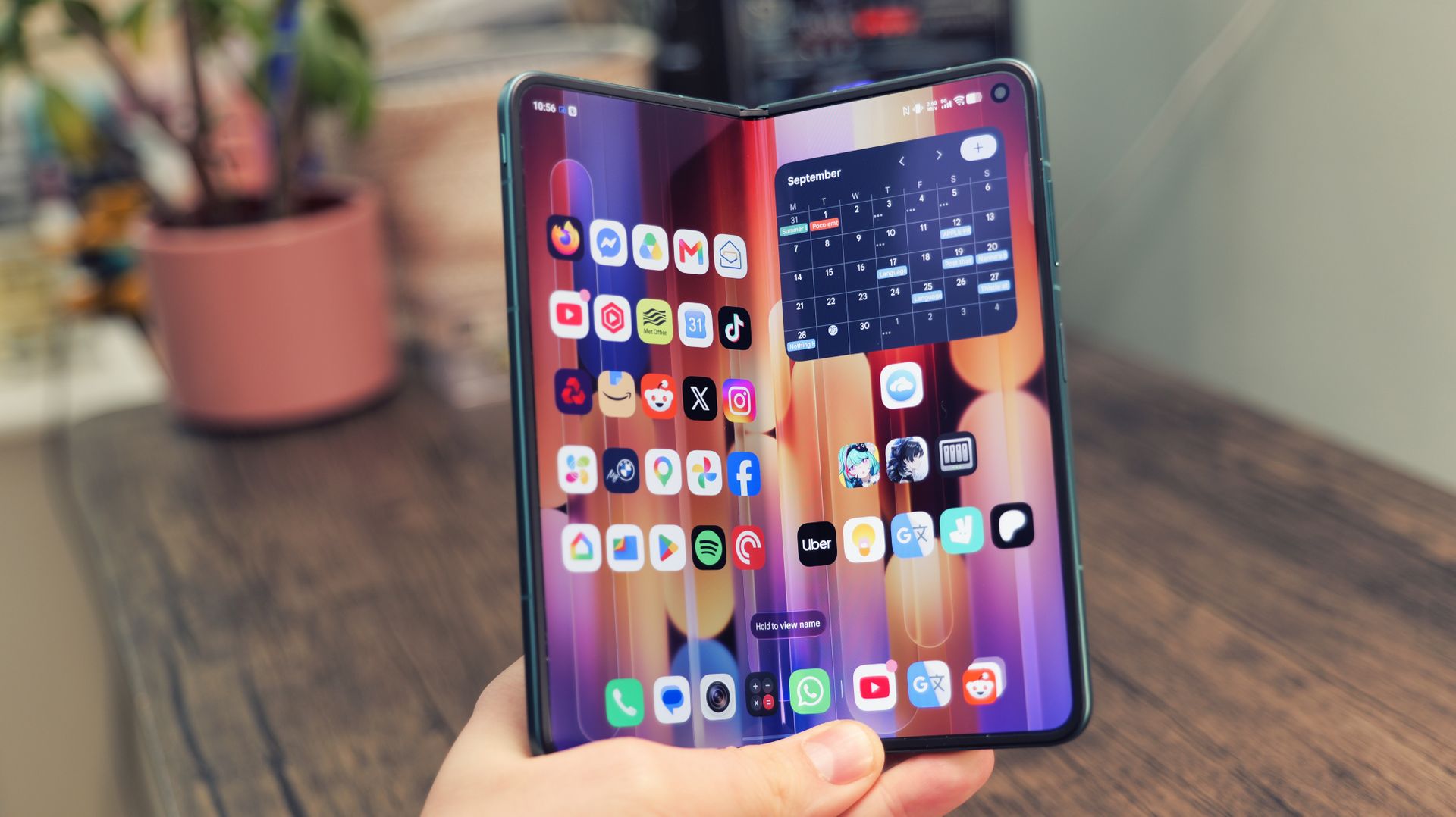
Obviously, there will be a lot of differences in the software, but Origin OS 7 is closer to iOS than ever, at least in terms of aesthetics. It has a Dynamic Island clone, really nice-looking Liquid Glass styling, and very similar lock screen customization, too. If there’s anything you don’t like, you can almost certainly change it, as the customization options are extremely detailed.
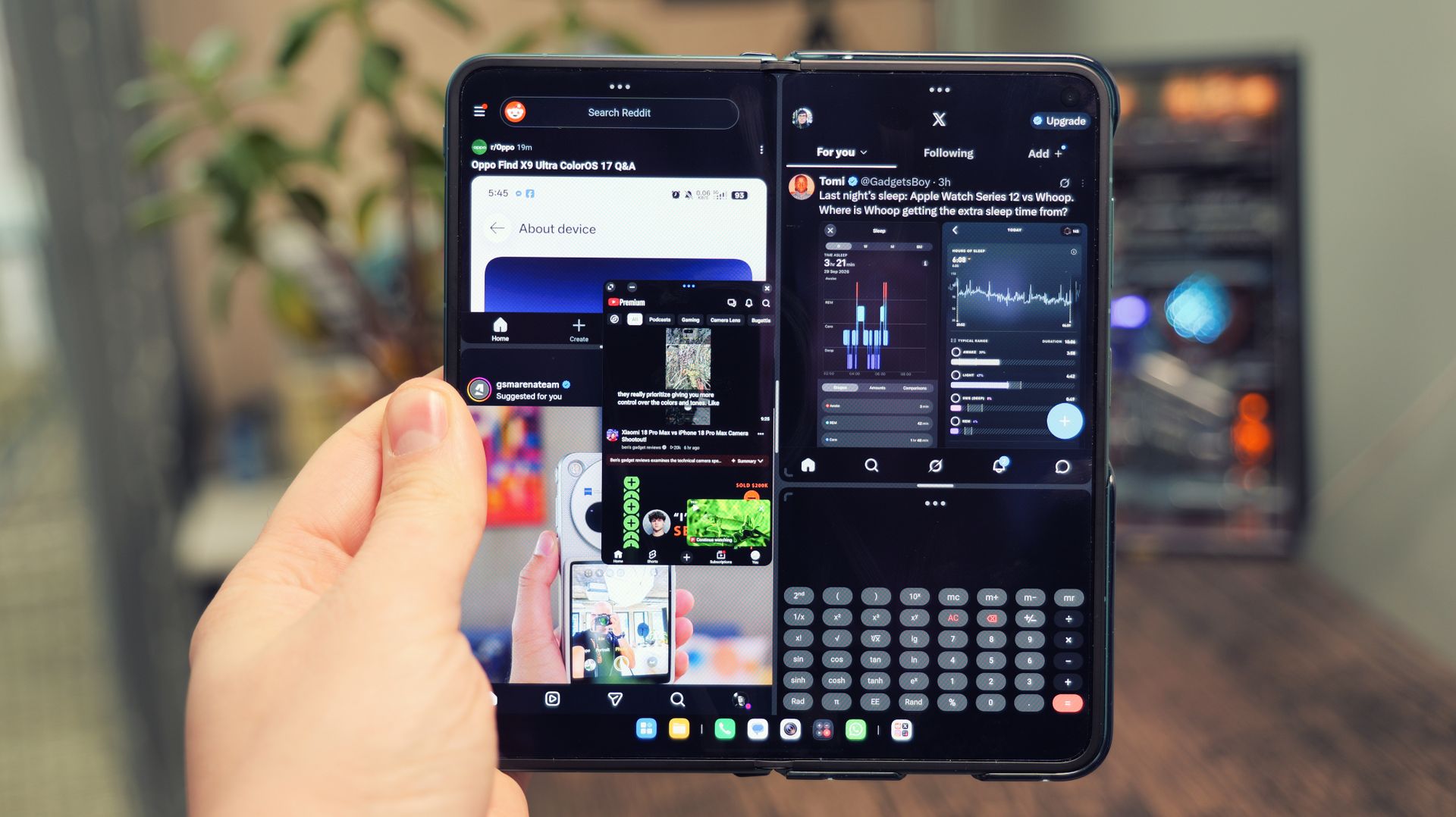
Where the X Fold 6 truly pulls ahead is with its multitasking capabilities. So far, all sources report that the iPhone Duo can only display two apps side by side in split-view, and that these windows aren’t resizable; it’s always a 50/50 split. What Vivo is doing is on a whole different level.
On the X Fold 6, you can have up to four apps open in split view, all resizable, and then you can open a fifth as a floating window on top. Still not enough? You can also add tabs to the floating window to quickly switch between apps. I can’t imagine anyone ever needing more than that; it’s essentially desktop-level multitasking in your pocket.
(Image credit: Future)
Where Vivo falls short
Of course, no device is perfect, and the X Fold 6 has its shortcomings. The biggest one is the phone’s software polish, notwithstanding those aforementioned multitasking features. I doubt I’m alone when I say I was salivating when I first saw the iPhone Duo’s unfolding animation. It’s incredibly slick.
By contrast, the X Fold 6 reacts more slowly than most when being opened or closed. Instead of smooth animation, you’ll be greeted with a blank screen every time you unfold it, and then you’ll have to wait a split second for the UI to catch up and appear on screen. This transition isn’t hard to live with, but it’s far less polished than what Apple is offering on the iPhone Duo.
(Image credit: Future)
For the most part, though, I really like the X Fold 6’s software. It’s quick, smooth, and extremely customizable. Unfortunately, it has the same quirks we always see from Chinese brands. Apps will close themselves in the background to conserve battery life, which can result in delayed notifications until you go in and tweak the settings.
There’s also that ever-present lock screen feature that just shows random images until you disable it. Weird.
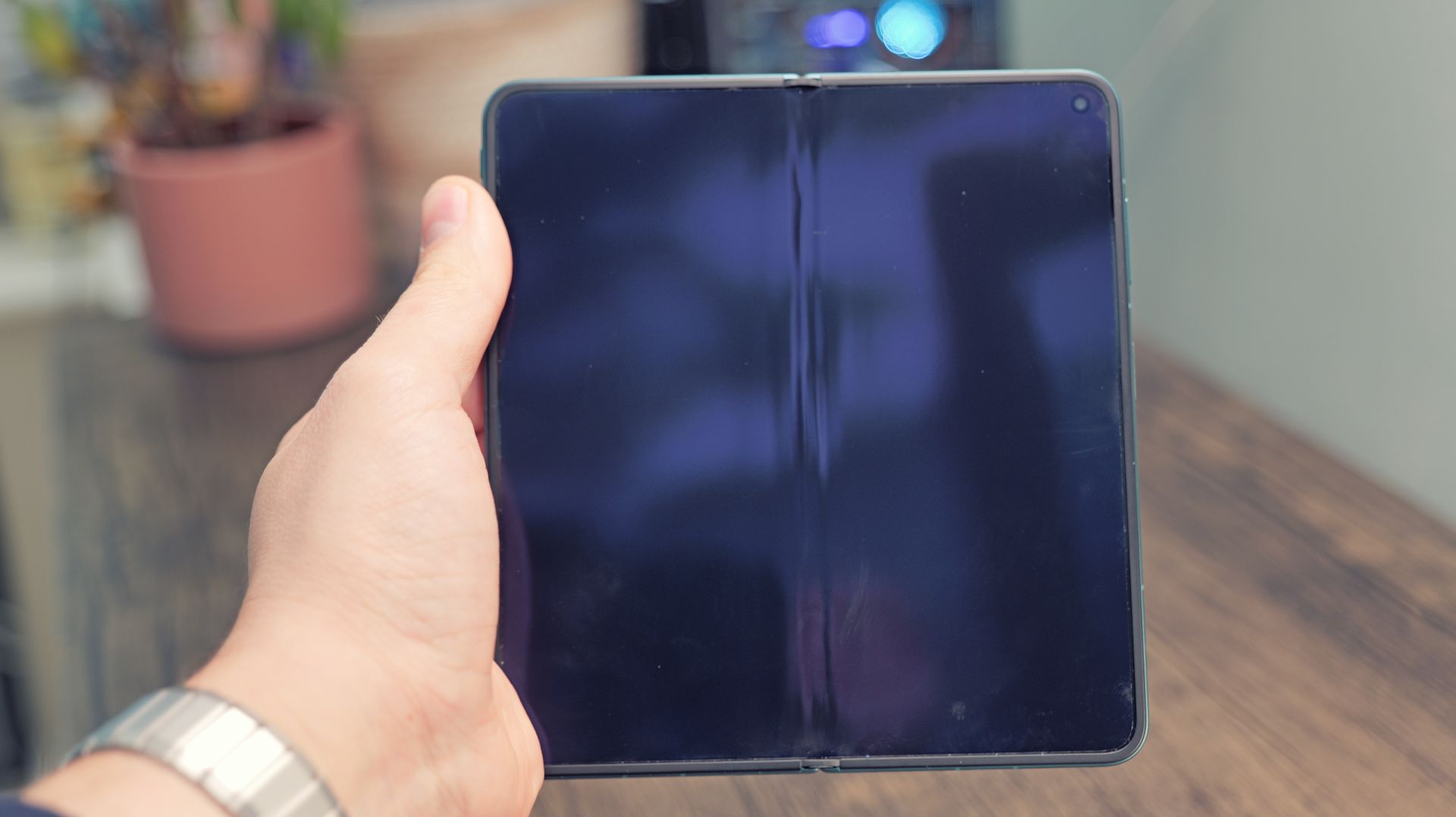
The iPhone Duo impressed with its almost-invisible crease, too. The Vivo X Fold 6’s crease is minimal, but it’s still there. I’d say it trades blows with the Z Fold 8, and it’s a step behind the Oppo Find N6’s crease. It seems like Apple might be leading the pack in this particular area, but we’ll pass judgment once we’ve spent more time with it.
(Image credit: Future)
Then, there’s the issue of availability. If you live in a region where Vivo is present, then great, no issue — but that won’t be the case for a lot of our readers. I live in the UK; Vivo doesn’t operate here, so the only way for me to get a Vivo phone is to import one from a European neighbor, or grab a Chinese model.
It’s not hard to do, but it means there are no contract deals on offer, and if anything goes wrong with the phone (which is more of a worry with foldables), I’m on my own.
(Image credit: Future)
Should you get one?
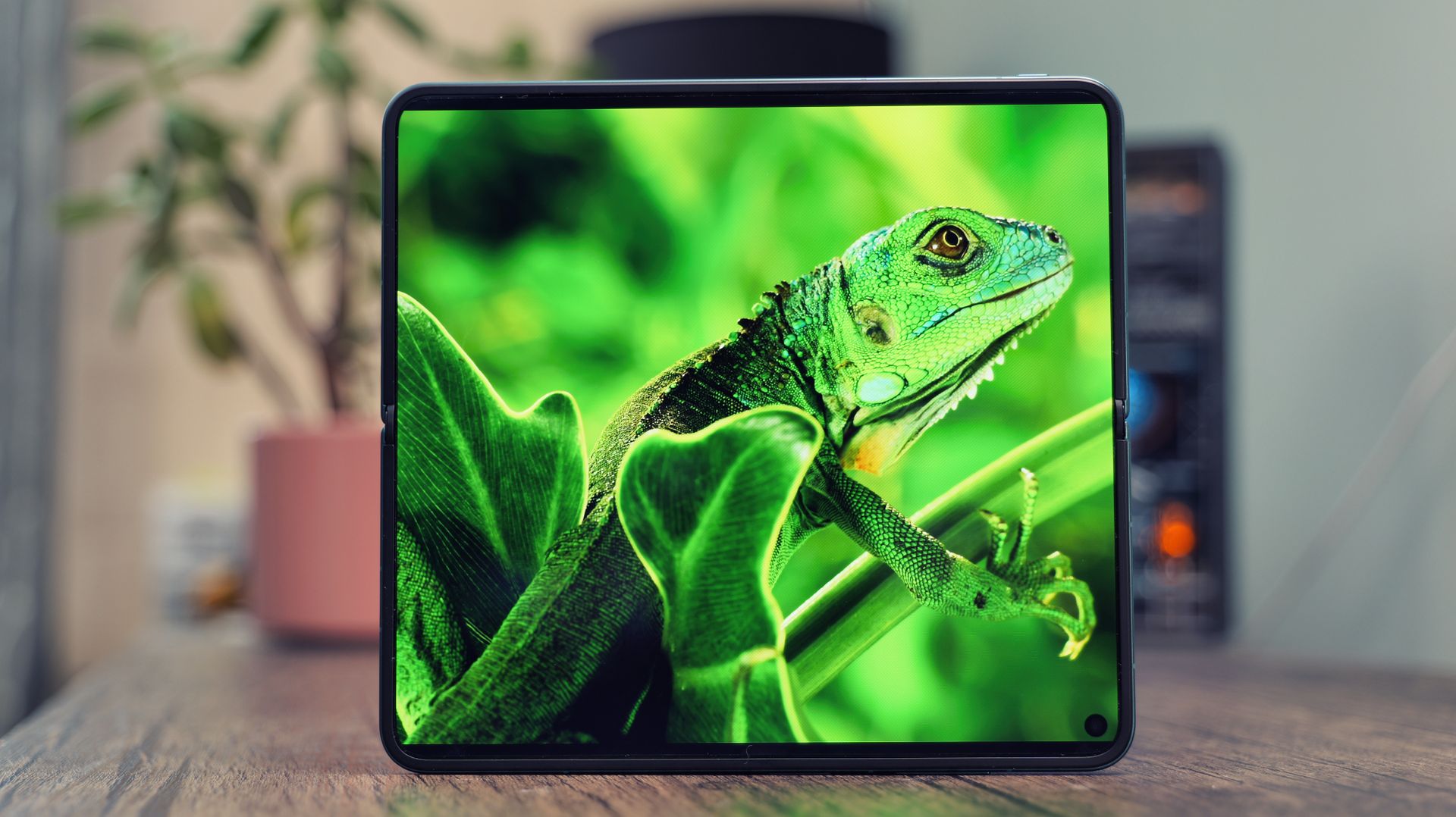
The Vivo X Fold 6 is a foldable phone with almost no compromises. Honestly, it’d be a pretty solid phone if it didn’t unfold, and the fact that it does is just the icing on the cake. The battery life is incredible, gaming performance is solid, and the cameras are among the best we’ve seen on a foldable to date.
If the iPhone Duo is the foldable phone for people who didn’t know they needed a foldable, the Vivo X Fold 6 is the phone for foldable users who are fed up with compromises. The two couldn’t be more different, and I’m glad they both exist.
As someone into photography, gaming, and content creation, who often needs to get serious work done on the go, the Vivo X Fold 6 is almost certainly more suited to my needs. But most people don’t demand so much from their phone.
I have no doubt that many will prefer what Apple has cooked up. Still, I’ve been having an amazing time with this Vivo, and I don’t want to put it down anytime soon.
OpenAI plans to expand independent safety assessments into model training and evaluation, giving outside groups earlier access to test high-risk AI systems.
$1.6 billion has been claimed by scammers impersonating police and government officials
The FBI’s Internet Crime Complaint Center (IC3) received almost 61,000 complaints concerning such scams between January 2025 and July 2026
Some scams targeted foreign nationals and immigrants, threatening to cancel passports or impose extradition, unless payment is made
Between January 2025 and July 2026, the FBI’s Internet Crime Complaint Center received almost 61,000 complaints concerning scams using police and government official impersonation tactics. As a result, around $1.6 billion is believed to have been scammed and extorted.
Tactics used by scammers included unsolicited phone calls and in some cases video calls, with victims losing an average of $26,000 per scam.
Particularly concerning is the targeting of foreign nationals, international students, and immigrant citizens, often with threats to cancel visas and home country passports. Incredibly, 10% of all losses were traced to a single scam, one that targeted fewer than 3% of the victims.
Foreign national victims
According to the FBI, the fake cop/fake government official scam has various angles, from alleging missed jury duty to threatening arrest due to circumstantial links to an alleged crime.
The demand from the scammers, inevitably, is payment.
Making a commitment to extreme lengths of scamming and extortion, the criminals took things to a new level when it came to targeting victims. International students, visiting foreign nationals, and other immigrant citizens were given special treatment. Not only were they threatened with extradition, there was also the implication of victims losing their home country passport.
To convince the target, scammers built actual studio sets, donned uniforms or suits, and appeared in video calls to the victims, who were convinced they were talking to foreign law enforcement agents or US-based diplomats. Creating the illusion of officialdom to sell the scam, victims paid whatever necessary to stay in their adopted country.
How to spot the scam
It is important to note that not all fraud of this type takes place in the US. These may be online or offline, but the so-called fake cop scam is an international criminal phenomenon. So, how do you avoid it?
We’ll assume you’ve answered a call inadvertently rather than having spam calls blocked (that should be set already).
First, remain calm. These situations are designed to impose stress and heightened anxiety. Scammers rely on these factors to cloud their victim’s judgement and force the narrative they are selling (“you missed jury duty”/“your presence in the country is illegal.”)
Second, it is vital to request credentials. Failure to provide these is the first red flag that the person communicating with you is not what they seem. That’s your cue to end the conversation.
Third, check the credentials. It doesn’t matter how long this takes – a legitimate caller will not mind waiting for you to do the necessary background check, even if it means them calling back.
Finally, and most importantly: neither law enforcement, security services, nor the FBI will demand money. If that is happening, it’s time to end the call.
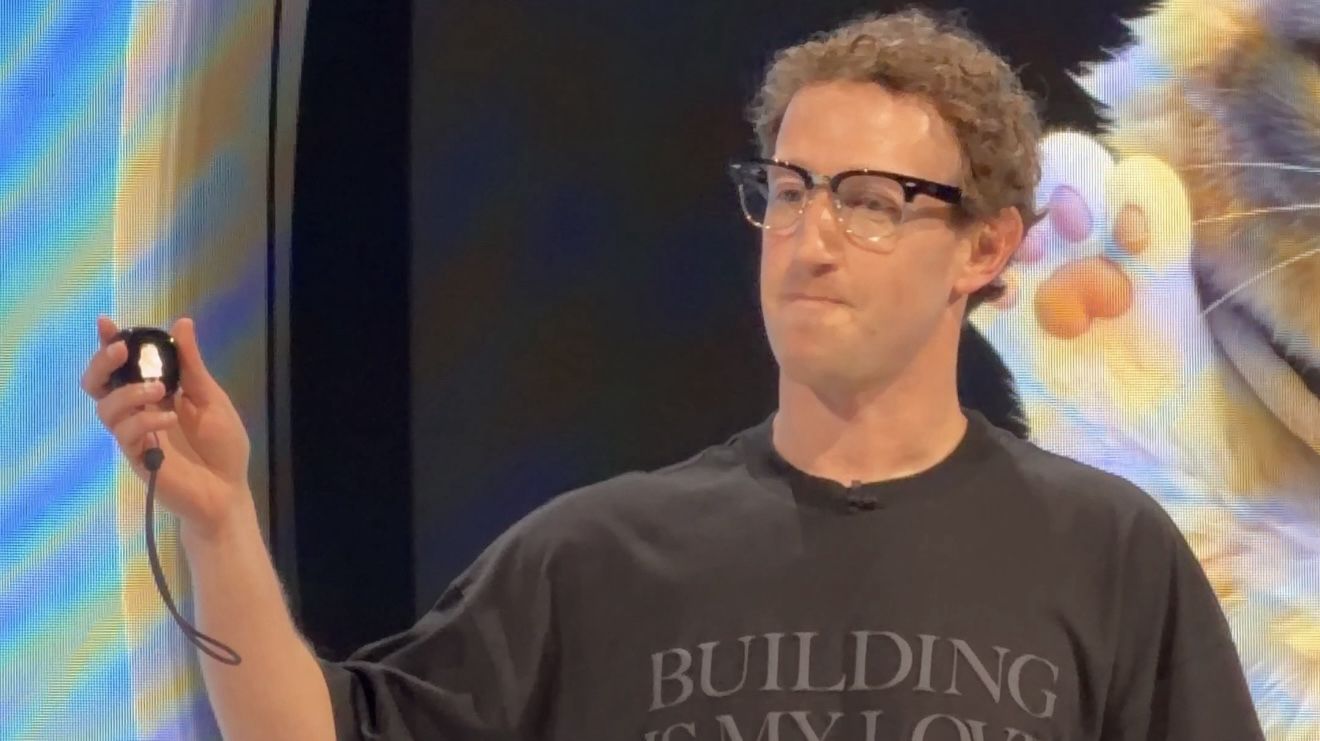
It’s not a Tamagotchi, but Mark Zuckerberg’s one more thing is just as cute and hopefully much more functional. Announced at the very end of Meta Connect 26 keynote — after the Meta VR Glasses and Meta Ray-Ban Audio — was Muse Charm.
A tiny silver square with a screen on the front and thicker black bezels, central to the experience is the display that shows off your custom Muse. It’s probably more of a squircle and had what looks like a wrist strap dangling from the bottom, seemingly showing off easy portability. Distinctly, you don’t wear it, and since we didn’t see buttons, it’s a touchscreen, maybe an OLED or AMOLED.
Judging from the on-screen renders, it had a microphone on top, so you could communicate with your Muse from anywhere, essentially putting the already very popular Muse assistant quite literally in the palm of your hand.
Mark Zuckerberg was quick to note that Muse Charm is not ready just yet, but the hope is it will ship by the holidays. It’s also a brand-new device category for Meta: a true AI wearable distinct from glasses, focused entirely on Muse’s capabilities and future roadmap.
Will it follow the Rabbit R1 or the Humane AI Pin and fail? That remains to be seen, but Muse is already proving powerful as a software-only, ultra-customizable personal AI assistant. Packaging that into a wearable, hopefully an affordable one, maybe cheaper than glasses, could be a winning package.
(Image credit: Jacob Krol/Future)
It was announced shortly after the news that Muse would be arriving on Meta Glasses, affording it multi-modal capabilities of both voice and seeing the world around you. Additionally, the Muse App for macOS will be getting computer use and that will allow the AI that you can name whatever you like to complete tasks for you.
The Muse Charm doesn’t appear to be multimodal and, apparently, avoids the Looki route, as it lacks a camera.
Much more to come, but for now, stick with TechRadar for all the news from Meta Connect.
Nearly 200 U.S. startups are urging the Trump administration to avoid broad restrictions on Chinese open-weight AI models, arguing a ban would increase costs and hurt innovation.
Meta has launched a new AI campaign featuring CEO Mark Zuckerberg, positioning artificial intelligence as a tool for creativity, connection, and human potential ahead of earnings.